
Ceramic Window Tint vs Regular Tint: Is It Worth It?
Is ceramic tint worth it in Vacaville heat? Compare XPEL PRIME CS, PRIME XR and PRIME XR PLUS — heat rejection, clarity and price. Tint from $275.
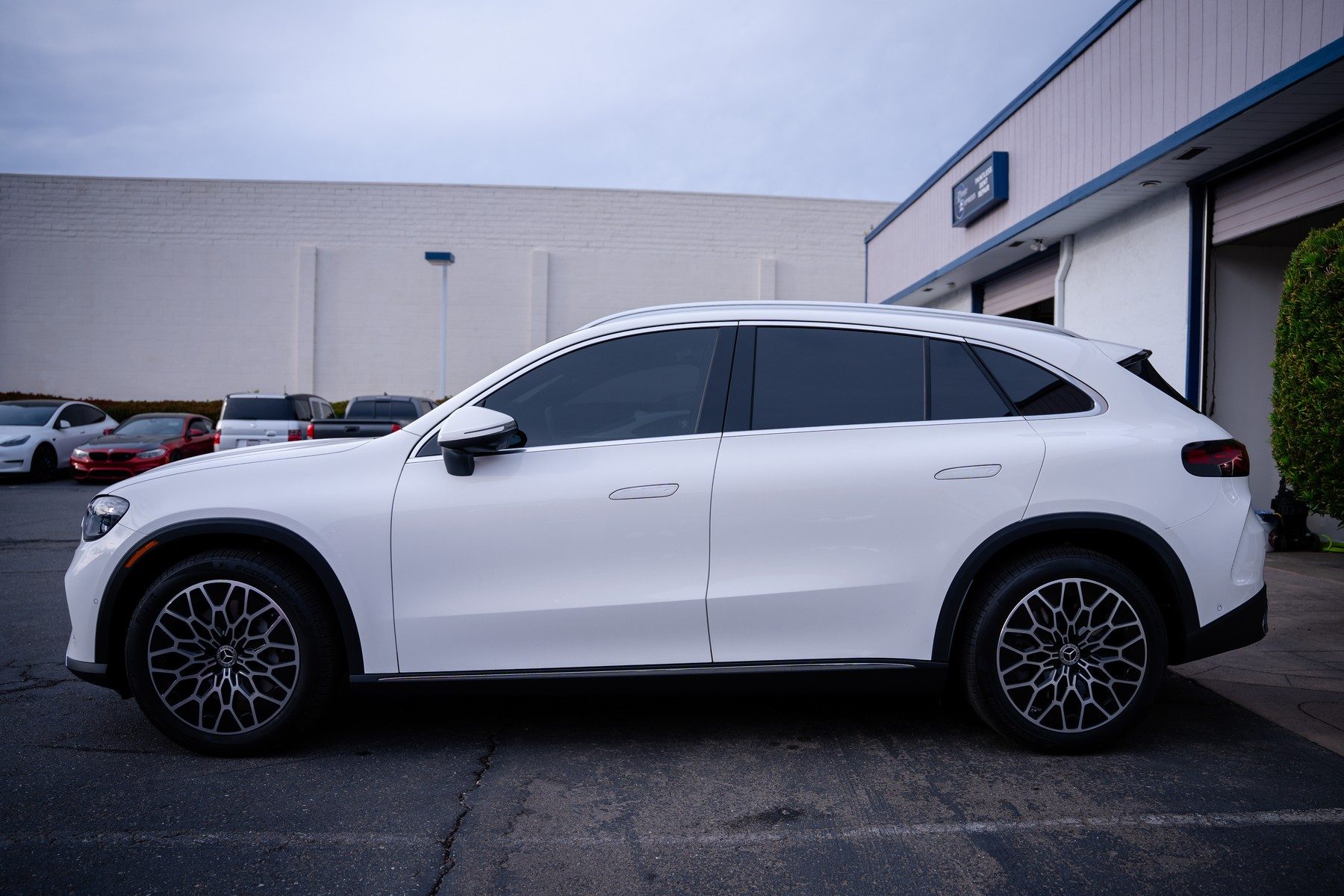
Anyone who has gotten into a parked car in Vacaville in July knows the feeling. The seats are hot, the steering wheel is hotter, and the A/C takes forever to catch up. Window tint helps, but not all tint is the same. The biggest difference is between regular dyed tint and ceramic tint.
Here's what separates them, and how to pick the right one for your car.
Shade is not the same as heat rejection
Most people judge tint by how dark it looks. But darkness (measured as VLT, the percentage of visible light that gets through) and heat rejection are two different things.
Most of the heat you feel through a window comes from infrared light, which you can't see. A dark, basic film can block light and still let a lot of that heat through. A good ceramic film can block a big share of infrared heat even in a lighter shade. That's why ceramic tint feels cooler even when it doesn't look darker.
Our three levels of XPEL tint
We install XPEL PRIME window film in three levels, from good to best:
| Film | Type | Infrared heat rejection | Best for |
|---|---|---|---|
| PRIME CS | Color-stable dyed | Up to 35% | Privacy, glare and UV protection on a budget |
| PRIME XR | Nano-ceramic | Up to 85% | Daily drivers that want real heat control |
| PRIME XR PLUS | Multi-layer nano-ceramic | Up to 96% | Maximum comfort, EVs and Valley summers |
All three block 99% of UV rays, which helps protect your skin and keeps your dashboard and seats from fading. All three come with XPEL's transferable lifetime warranty against bubbling, peeling, fading and discoloring.
Why ceramic is worth it for most drivers here
Cooler cabin. Ceramic film rejects far more infrared heat, so the car heats up slower when parked and cools down faster when you start driving.
Less work for your A/C. Your A/C doesn't have to run as hard, which matters even more in an EV, where running the A/C uses battery range.
Clear, crisp view. Ceramic films don't use metal, so they won't interfere with your phone, GPS, radio or keyless entry.
No purple fade. Older dyed tints could fade and turn purple over time. XPEL's films are built to stay color-stable, and the warranty backs that up.
When regular tint makes sense
If your main goal is privacy and a clean look, and the car mostly sits in a garage, PRIME CS is a solid, affordable choice. It still blocks UV and cuts glare. You just won't get the same heat rejection as ceramic.
What about the windshield and front windows?
California has strict limits on how dark you can go on the windshield and front side windows. We'll walk you through the legal options for your car before we start. For the front windows and windshield, a lighter ceramic film is a great way to get heat rejection without going dark.
Not sure which shade to pick?
Try our shade picker on the website. It lets you slide between shades and see how each one looks on a real car before you book.
Pricing
Window tint starts at $275. The price depends on your vehicle, how many windows you're tinting, and which XPEL film you choose. Tesla owners can build a full package on our Tesla page.
Stop by 801 Davis St, Suite B, Vacaville, CA 95687, call (707) 339-5769, or use the buttons below to see prices and book online. We tint cars for drivers across Vacaville, Fairfield, Dixon, Davis and Solano County.